Power outages always seem to happen at the worst possible moments. Whether it is during a severe storm, a freezing winter night, or a hot summer afternoon, a sudden loss of power quickly reminds homeowners how dependent daily life is on reliable power. Heating, cooling, refrigerators, internet access, security systems, medical equipment, and lighting all rely on a properly functioning electrical system.
That is why more homeowners are turning to backup power solutions and working with a
Greensboro emergency electrician to install standby generators safely. Generator installation involves much more than simply purchasing equipment. Proper installation requires electrical planning, transfer switches, fuel connections, code compliance, and professional integration with the home’s electrical system to ensure reliable performance during emergencies.
How Does A Generator Get Installed?
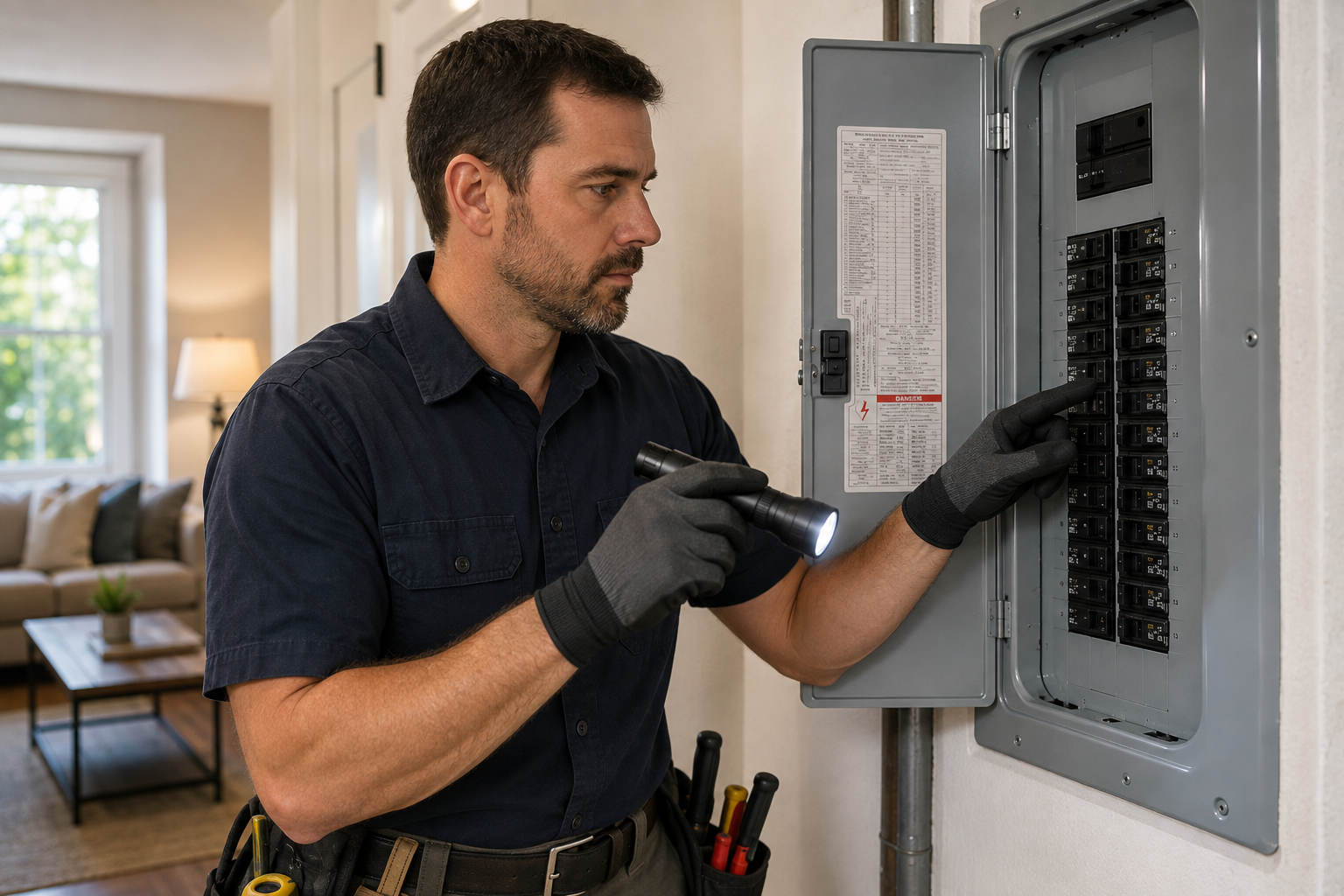
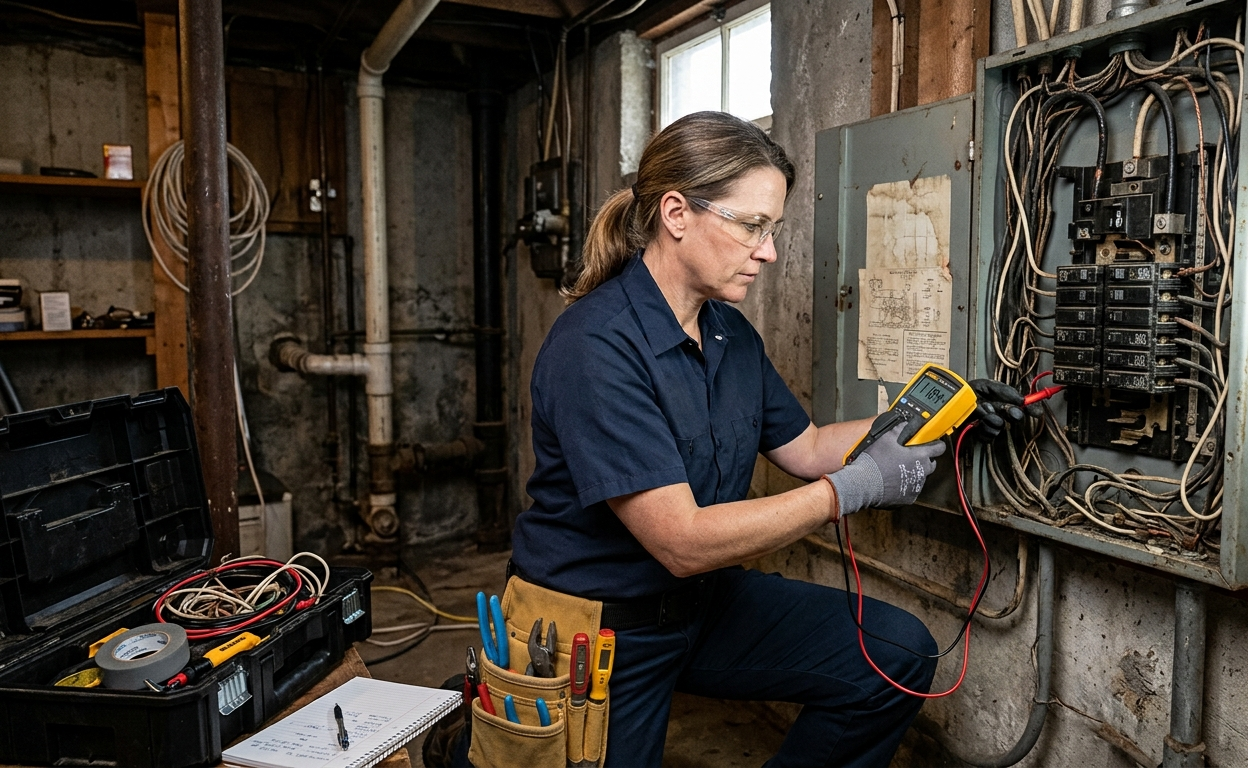
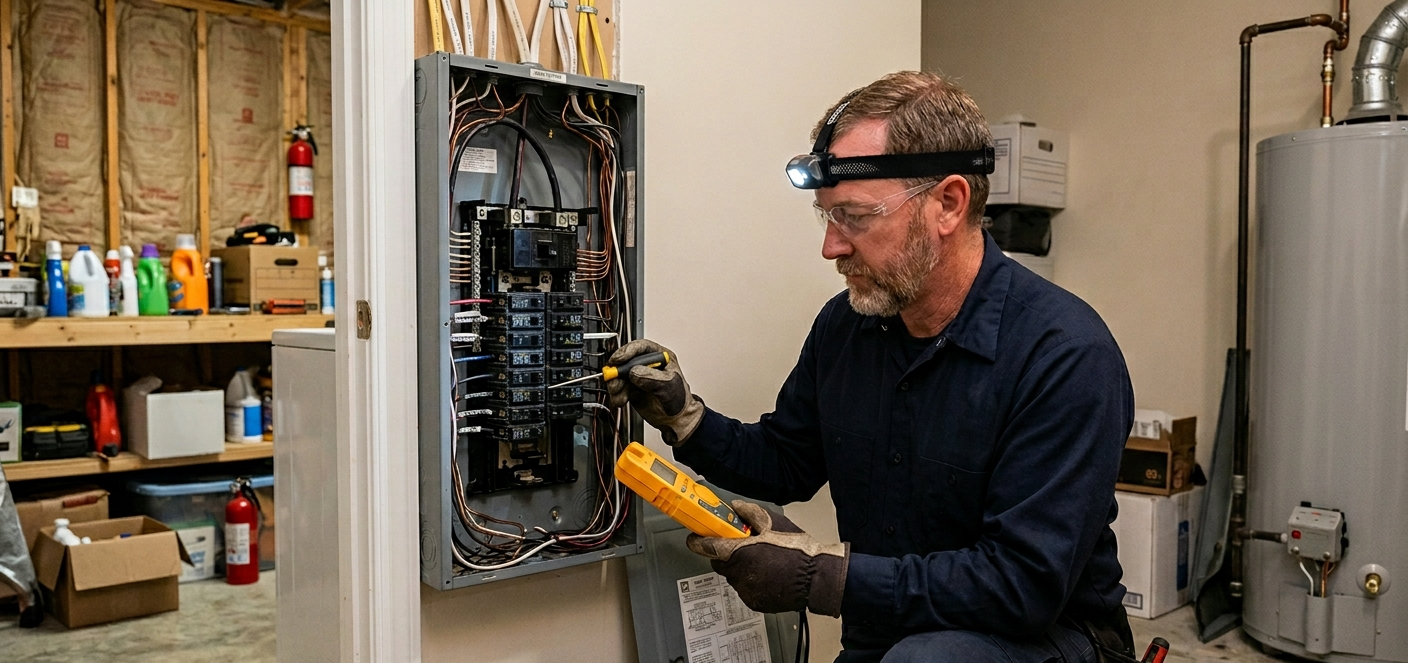
Generator installation begins with evaluating the home’s electrical demands and determining what the homeowner wants powered during an outage. A Greensboro emergency electrician will typically assess the home’s overall energy usage, identify essential circuits, and recommend an appropriately sized generator system. Some homeowners only want refrigerators, lights, and heating systems powered during outages, while others prefer full-home backup capability that automatically keeps nearly every appliance operational.
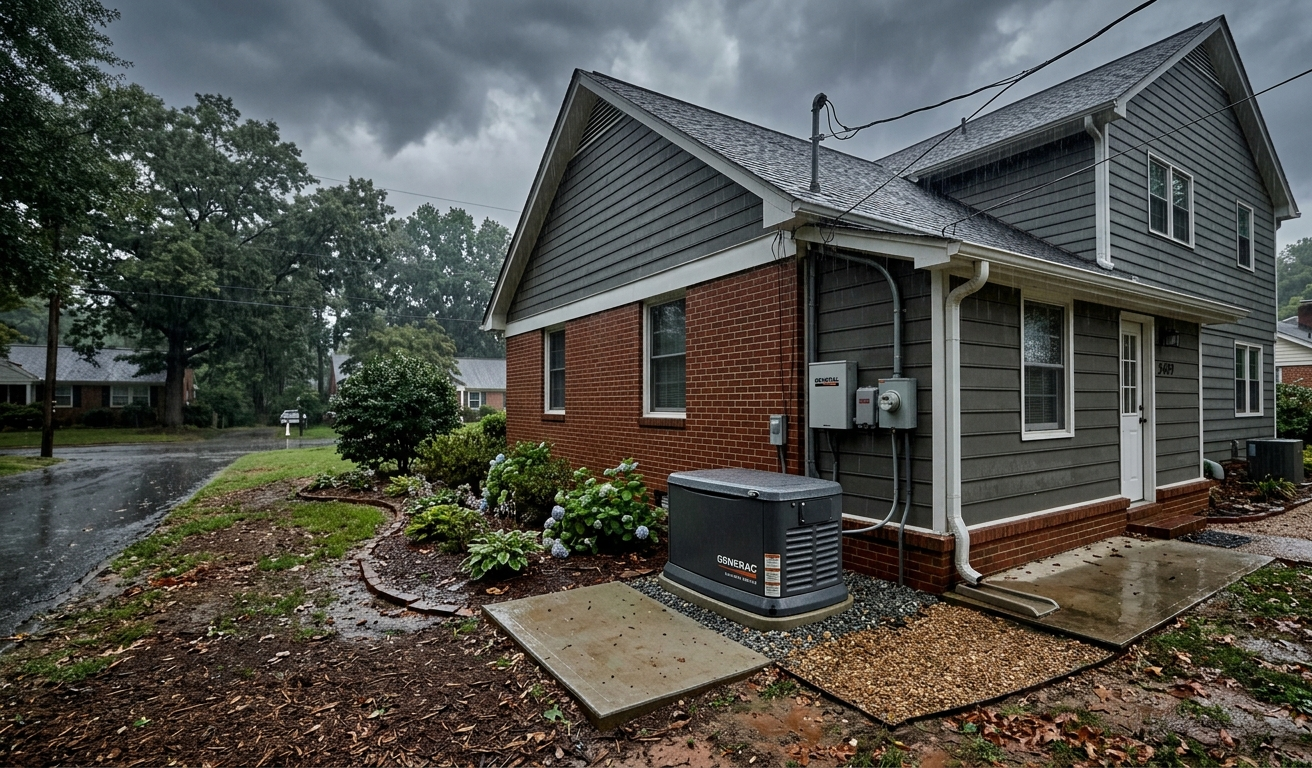
At Kluch Electrical LLC, we often explain that generator installation involves several important steps beyond simply placing a machine outside the home. A Greensboro emergency electrician must determine the safest installation location, install a concrete or composite pad, connect the fuel source, wire the transfer switch, integrate the generator into the electrical panel, and coordinate inspections to ensure everything meets local electrical codes. One homeowner originally planned to rely on portable extension cords during outages, but later realized how impractical and unsafe that became during overnight storms and prolonged outages.
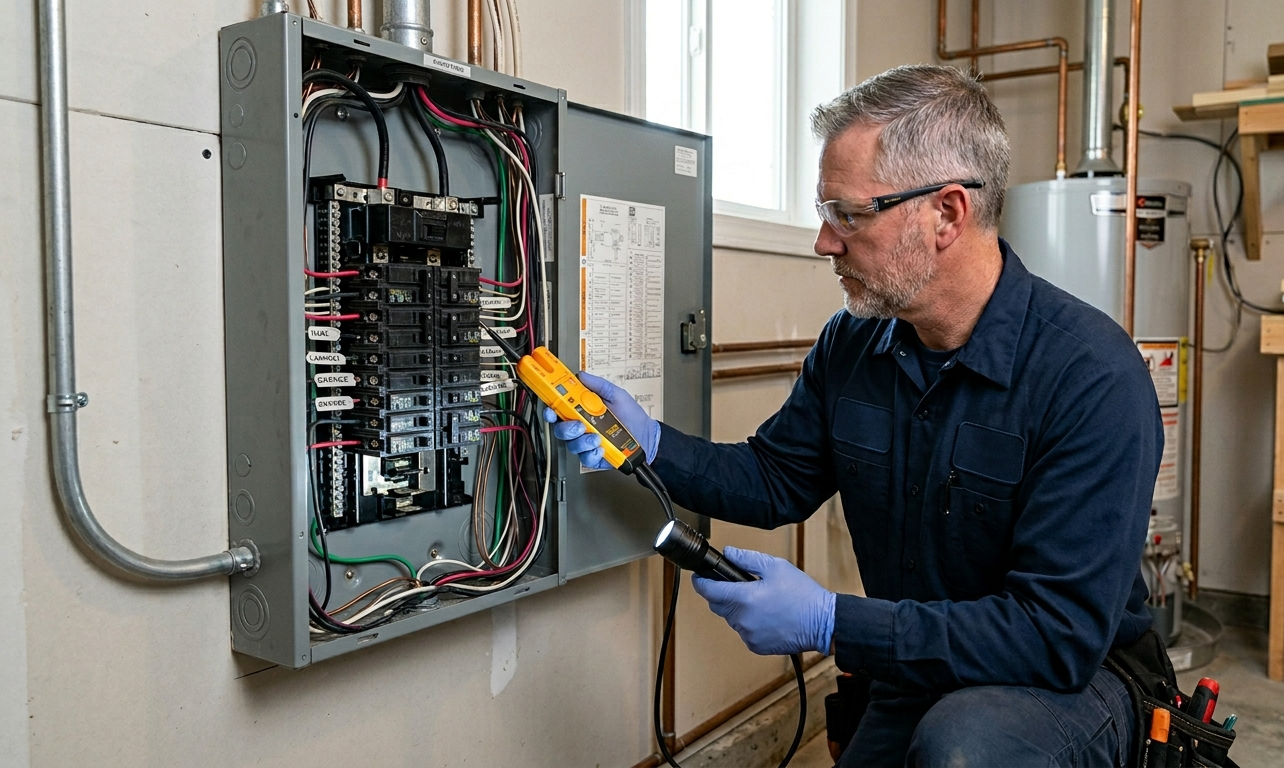
One of the most critical components during installation is the transfer switch. A Greensboro emergency electrician uses this equipment to safely disconnect the home from utility power during outages while redirecting electricity from the generator instead. Without a transfer switch, electricity may backfeed into utility lines, creating serious risks for utility workers and damaging electrical systems. According to the
U.S. Consumer Product Safety Commission, generators must be installed and operated carefully to reduce fire hazards, electrical shock risks, and carbon monoxide dangers.
Generator installation also requires permits, inspections, and fuel coordination depending on whether the system uses natural gas, propane, gasoline, or diesel. A Greensboro emergency electrician helps homeowners understand these requirements early so the installation process remains safe, efficient, and fully compliant with local regulations.
Can Generators Produce Carbon Monoxide?
Yes, generators can absolutely produce carbon monoxide, which is one of the most serious safety concerns associated with backup power systems. A Greensboro emergency electrician often emphasizes generator safety because carbon monoxide is odorless, colorless, and potentially deadly when generators are improperly placed or operated without adequate ventilation. Any fuel-burning generator that uses gasoline, propane, natural gas, or diesel produces carbon monoxide during operation.
Portable generators are especially dangerous when homeowners operate them inside garages, near windows, under covered patios, or too close to living spaces. One homeowner believed leaving the garage door partially open provided enough ventilation for safe operation, but dangerous carbon monoxide levels can still build rapidly even in partially ventilated areas. A Greensboro emergency electrician understands the clearance requirements necessary to reduce exposure risks and maintain safe airflow around backup power systems.
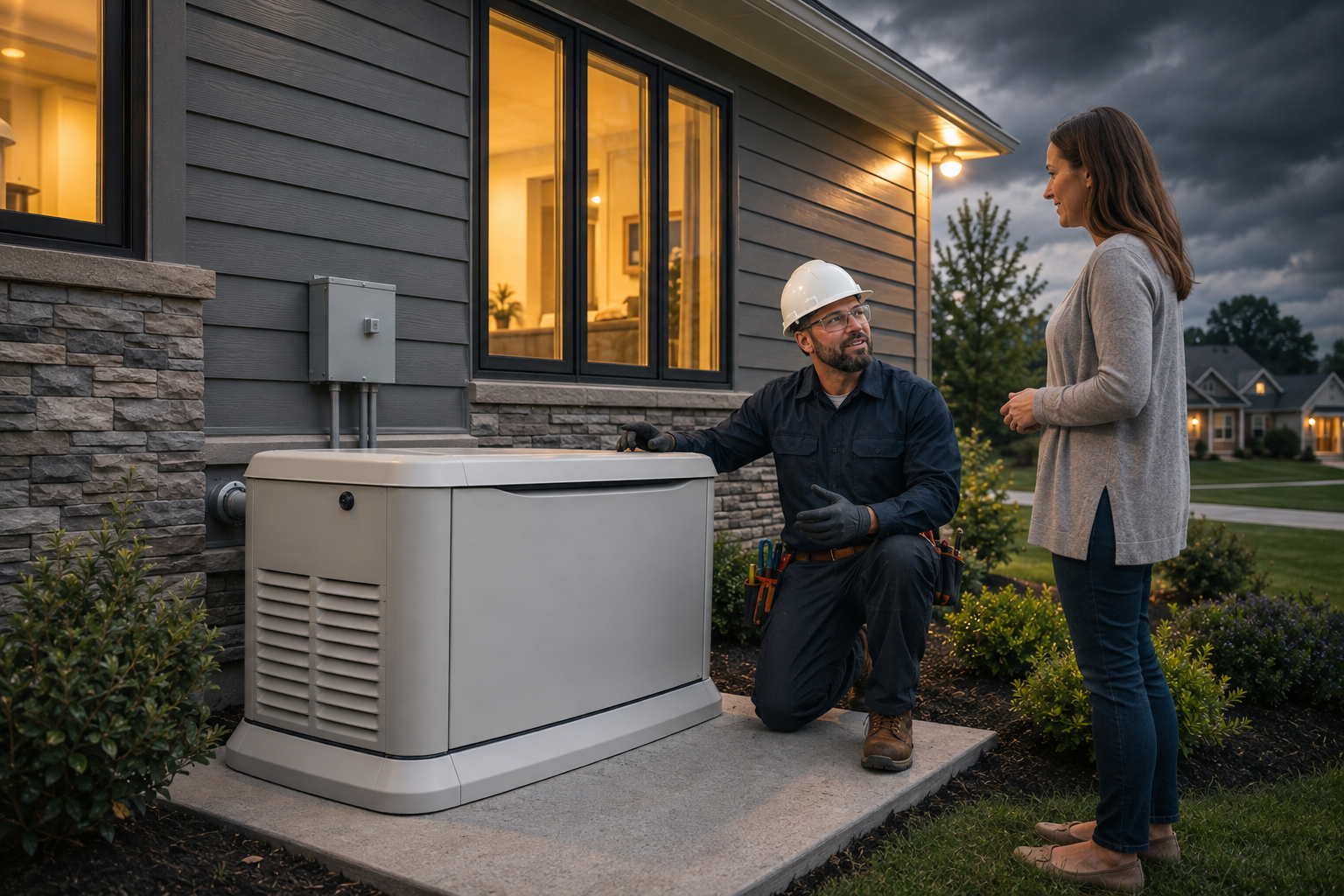
Professionally installed standby generators are generally much safer because they are permanently installed outdoors and meet strict safety standards. A Greensboro emergency electrician positions the generator far enough from windows, vents, and doors to reduce the possibility of fumes entering the home. Carbon monoxide exposure can lead to headaches, dizziness, confusion, nausea, unconsciousness, and even death in severe cases, which is why installation quality matters tremendously.
Another important safety recommendation from any Greensboro emergency electrician is installing carbon monoxide detectors throughout the home. Backup power should improve safety and comfort during outages, not create additional hazards. Proper placement, ventilation, and professional installation are essential for safe long-term generator operation.
How Does A Generator Get Power To Your House?
A standby generator powers a home by connecting directly to the electrical system through a transfer switch. When utility power fails, the transfer switch automatically disconnects the home from the electrical grid and redirects electricity from the generator instead. A Greensboro emergency electrician carefully installs and tests this equipment to ensure a safe, reliable transition between utility and backup power during outages.
At
Kluch Electrical LLC, we often explain that the transfer switch makes whole-home generator systems practical and safe. Without this equipment, homeowners would need to rely on extension cords, manual appliance management, and temporary connections that increase the risk of overloads and electrical hazards. A Greensboro emergency electrician ensures the generator can distribute power safely throughout designated circuits without damaging appliances or overloading the system.
Generators convert mechanical energy into electrical power, using engines fueled by gasoline, propane, natural gas, or diesel. One Greensboro homeowner originally thought generators stored electricity like large batteries, but generators actively produce electricity while running. A Greensboro emergency electrician helps homeowners understand these differences so they can choose the right backup solution based on their household’s energy demands and outage concerns.
Generator sizing also plays a major role in system performance. Some systems only support essential appliances, while others provide complete whole-home backup capability. A Greensboro emergency electrician performs load calculations to determine whether the homeowner needs essential-circuit backup, partial-home coverage, or a full-home standby generator capable of supporting HVAC systems, water heaters, refrigerators, lighting, internet access, and home offices simultaneously.
Can I Plug My Generator Directly Into My House?
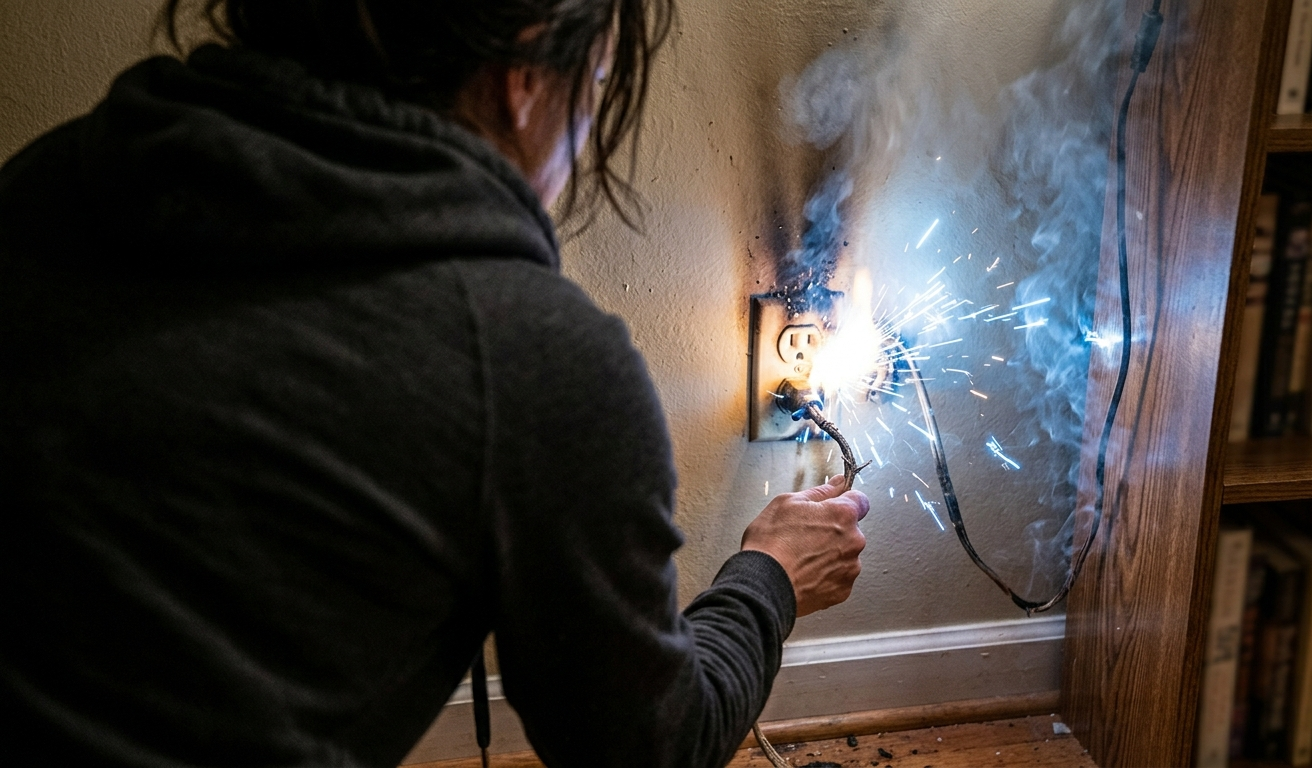
No, homeowners should never plug a generator directly into a home outlet or electrical panel without proper transfer equipment installed by a professional. Unfortunately, some homeowners attempt unsafe backfeeding methods during outages, connecting generators to wall outlets with homemade cords or illegal setups. A Greensboro emergency electrician strongly advises against these dangerous practices because they can electrocute utility workers, damage appliances, overload wiring, and create severe fire hazards.
One homeowner contacted us after attempting to connect a temporary generator during a storm outage. The improper setup overloaded circuits and damaged several appliances before the issue was discovered. A Greensboro emergency electrician understands how to safely isolate utility power and distribute generator power without improperly energizing utility lines. This is why professionally installed transfer switches and approved interlock systems are required for safe generator operation.
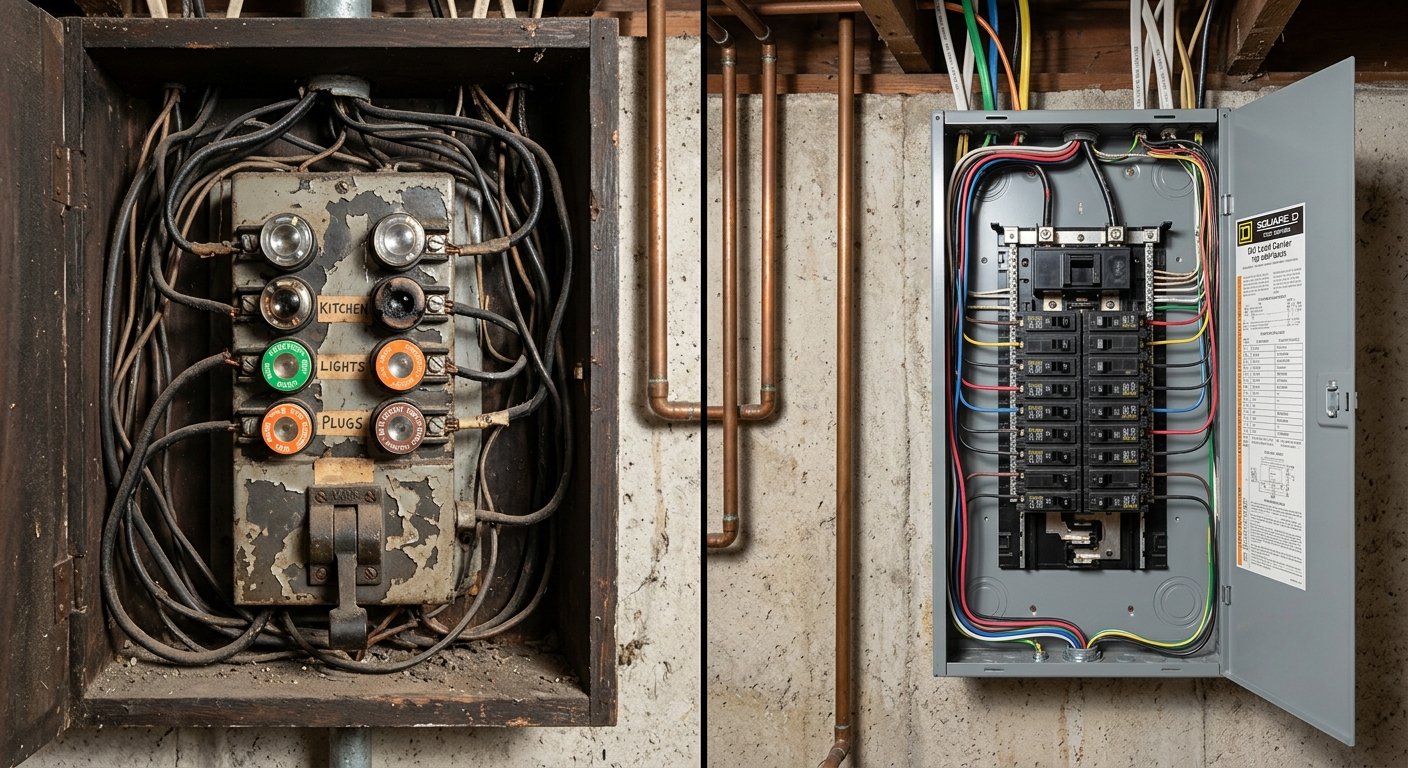
Approved connection methods installed by a Greensboro emergency electrician may include automatic transfer switches, manual transfer switches, or generator interlock kits, depending on the homeowner’s budget and backup power goals. These systems allow generators to safely power selected circuits while protecting both the home and the electrical grid. Proper grounding and load balancing are also essential for preventing dangerous electrical conditions during operation.
Portable generators also require careful outdoor placement and safe fueling practices. A Greensboro emergency electrician helps homeowners avoid common mistakes that increase fire risks or damage electrical systems during outages. Temporary shortcuts may seem convenient during emergencies, but improper connections often create far greater problems than the outage itself.
How Do You Connect A Generator To A Domestic House?
Connecting a generator safely to a home requires professional installation directly into the home’s electrical system through approved transfer equipment. A Greensboro emergency electrician begins by evaluating the home’s electrical demand and determining which appliances or circuits should remain operational during outages. From there, the electrician installs the transfer switch, generator wiring, fuel connections, and electrical integration needed for reliable backup operation.
At Kluch Electrical LLC, we often explain that generator installation is really about safe power management rather than simply generating electricity. A Greensboro emergency electrician manages electrical flow during outages while protecting the utility grid and preventing overload conditions in the home. One homeowner initially planned to use a small portable generator, but later upgraded to a permanent standby system after repeated outages disrupted their remote work schedule and caused food spoilage.
Fuel type also affects how the generator connects to the home. A Greensboro emergency electrician may install systems powered by natural gas, propane, or diesel, depending on local utility access and homeowner preferences. Portable generators often rely on gasoline, but standby systems connected to permanent fuel supplies offer greater convenience by operating automatically without manual refueling during outages.
Some homeowners prioritize refrigeration, internet access, sump pumps, and heating systems during outages, while others want full-home backup coverage for maximum comfort and convenience. A Greensboro emergency electrician helps homeowners choose systems that balance budget, reliability, fuel availability, and long-term energy needs while ensuring safe installation in accordance with local electrical standards.
Why Generator Installation Is Becoming More Popular
Modern homes depend heavily on electricity for everyday life, which is one reason generator installation has become increasingly popular. A Greensboro emergency electrician now receives far more requests for backup power systems because outages affect far more than lighting. Remote work, smart home systems, medical devices, security systems, internet access, climate control, and food storage all rely on uninterrupted electrical power.
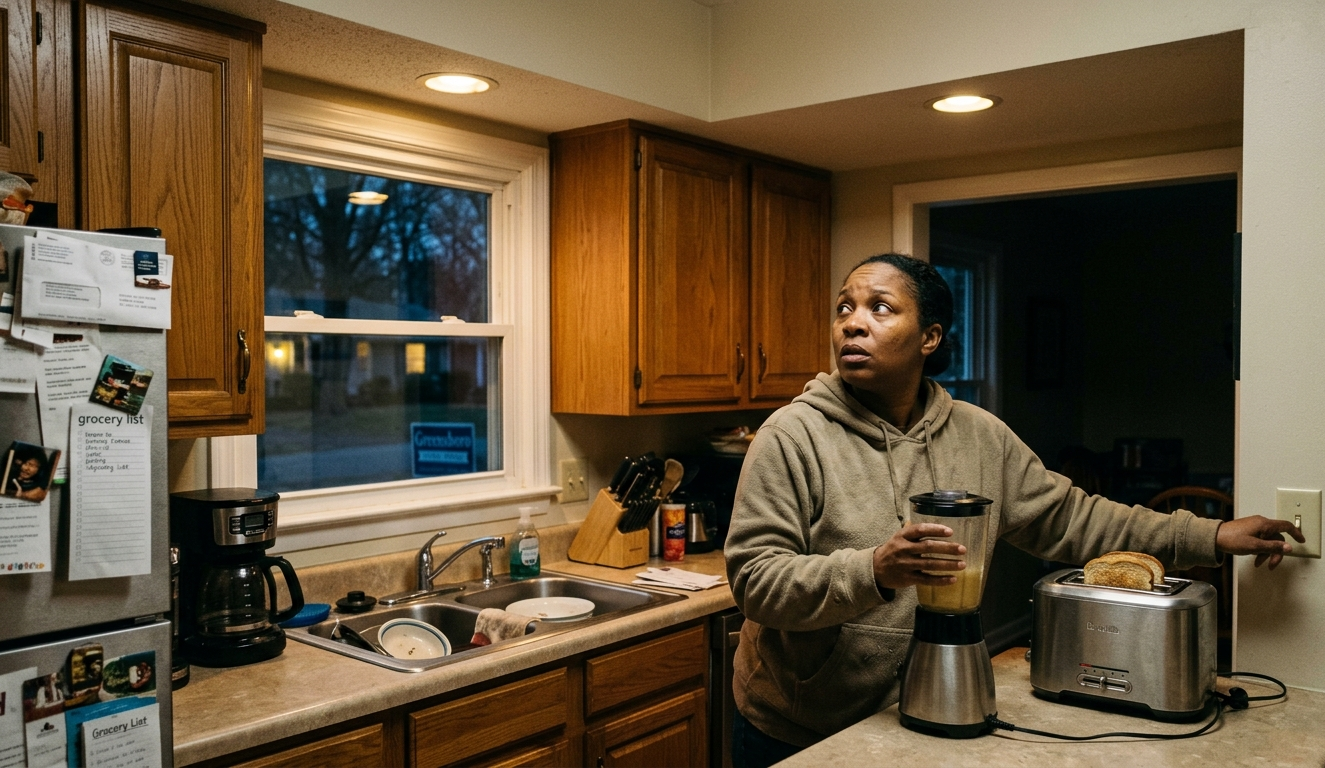
Many homeowners also realize that outages do not need to last very long to create major disruptions. Even short interruptions can spoil refrigerated food, disable sump pumps, interrupt home businesses, or create unsafe indoor temperatures during severe weather. A Greensboro emergency electrician helps homeowners understand how standby generators automatically restore power, reducing stress and improving safety during unpredictable outages.
Another reason homeowners invest in generators is long-term peace of mind. Severe weather events, aging electrical infrastructure, and growing household electrical demand have increased concerns about grid reliability. A Greensboro emergency electrician provides backup power solutions that help families maintain comfort and stability during emergencies, rather than scrambling for temporary measures after outages begin.
As more households rely on internet connectivity, remote workspaces, medical equipment, and smart technology, backup power has become less of a luxury and more of a practical safeguard. Generator systems provide homeowners with greater confidence, knowing critical systems will continue to operate even during unexpected power failures. If you want to explore further, read
What to Do in an Electrical Emergency Before Help Arrives.
Final Thoughts
Generators provide far more than convenience during outages. They help protect comfort, safety, food storage, heating and cooling systems, internet access, and essential household operations when utility power unexpectedly fails. However, safe operation depends heavily on proper installation, transfer equipment, fuel management, ventilation, and professional electrical integration.
At Kluch Electrical LLC, we believe homeowners deserve safe and reliable backup power systems that operate efficiently when they are needed most. Whether you are considering installing a standby generator for the first time or upgrading an existing setup, working with an experienced Greensboro emergency electrician helps ensure the system operates safely and reliably for years to come.
If you are looking for a trusted Greensboro emergency electrician for backup power solutions and generator installation, visit https://www.kluch-electrical.com/ to learn more or
contact us today.
Follow our social media pages below: